7 Mistakes DFW Homeowners Make with Roof Leaks (and How to Fix Them Fast)

A roof leak rarely announces itself at a convenient time. You may notice a brown ceiling mark, a damp attic, or a drip during a North Texas thunderstorm. The good news is that fast, informed action can often keep a localized roofing issue from becoming a larger repair.
The biggest problems usually come from treating the symptom instead of finding the source. Here are seven common mistakes homeowners make, and the right move for each one.
If you need roof leak repair in Dallas, roof repair in Fort Worth, or dependable roof leak repair across DFW, RUOFF Roofing & Restoration can help you understand what is happening before you commit to a repair plan.
Mistake 1: Painting over a ceiling stain or ignoring it
What it looks like
You see a yellow or brown ring on the ceiling, notice bubbling paint, or find a faint water mark after rain. Because the ceiling is no longer actively dripping, it may seem like the issue has passed.
Why it costs more later
A ceiling stain is evidence, not the actual problem. Water may still be entering through damaged shingles, flashing, a roof penetration, or a nearby transition. Painting over the mark hides an important clue while moisture continues affecting insulation, framing, or decking.
The right move
Take photos, move furniture away from the area, and arrange a roof inspection before making cosmetic repairs. Find and correct the exterior source first. Once the roof is dry and the cause has been addressed, you can repair the interior with confidence.
Schedule a free roof inspection or contact RUOFF for a straightforward next step.
Mistake 2: Patching only from inside the attic
What it looks like
You find a small opening, wet spot, or visible drip in the attic and apply caulk, roofing cement, or another material from underneath the roof deck.
Why it costs more later
An interior patch may slow a drip temporarily, but it does not address the exterior entry point. Water can continue traveling between roofing layers or along rafters before reaching the patched area. The result may be a leak that returns during the next storm, sometimes in a different location.
Working inside an attic also creates safety concerns. Insulation, wiring, nails, limited lighting, and unstable surfaces make roof leak diagnosis more difficult than it appears.
The right move
Use the attic to gather clues, not to perform a permanent roof repair. Note where you see damp insulation, staining, or water trails, then have a roofing professional trace the path back to the exterior.
At RUOFF, our team inspects the roof surface, flashing, penetrations, drainage paths, and attic indicators so the repair addresses the source, not just the visible symptom.
Mistake 3: Assuming “it only leaks during heavy rain,” so it must be minor
What it looks like
The roof seems fine during light rain. You only notice a problem during a strong storm, when wind-driven rain or heavy runoff reaches a vulnerable area.
Why it costs more later
A leak that appears only during heavy rain is still a leak. In fact, it may point to a problem with flashing, valleys, roof-wall transitions, gutters, or drainage that becomes visible only when the roof is handling a larger volume of water.
North Texas weather can move quickly from sunshine to intense rain. Repeated exposure gives moisture more opportunities to reach insulation, decking, and interior finishes.
The right move
Do not wait for the leak to become constant. Document when it occurs and where you see water inside, then schedule an inspection while the details are still clear.
Early attention gives you more options. A targeted roof leak repair may be all your Dallas-area property needs, but the only way to know is to inspect the full area around the leak.
Mistake 4: Waiting for the rain to stop before doing anything at all
What it looks like
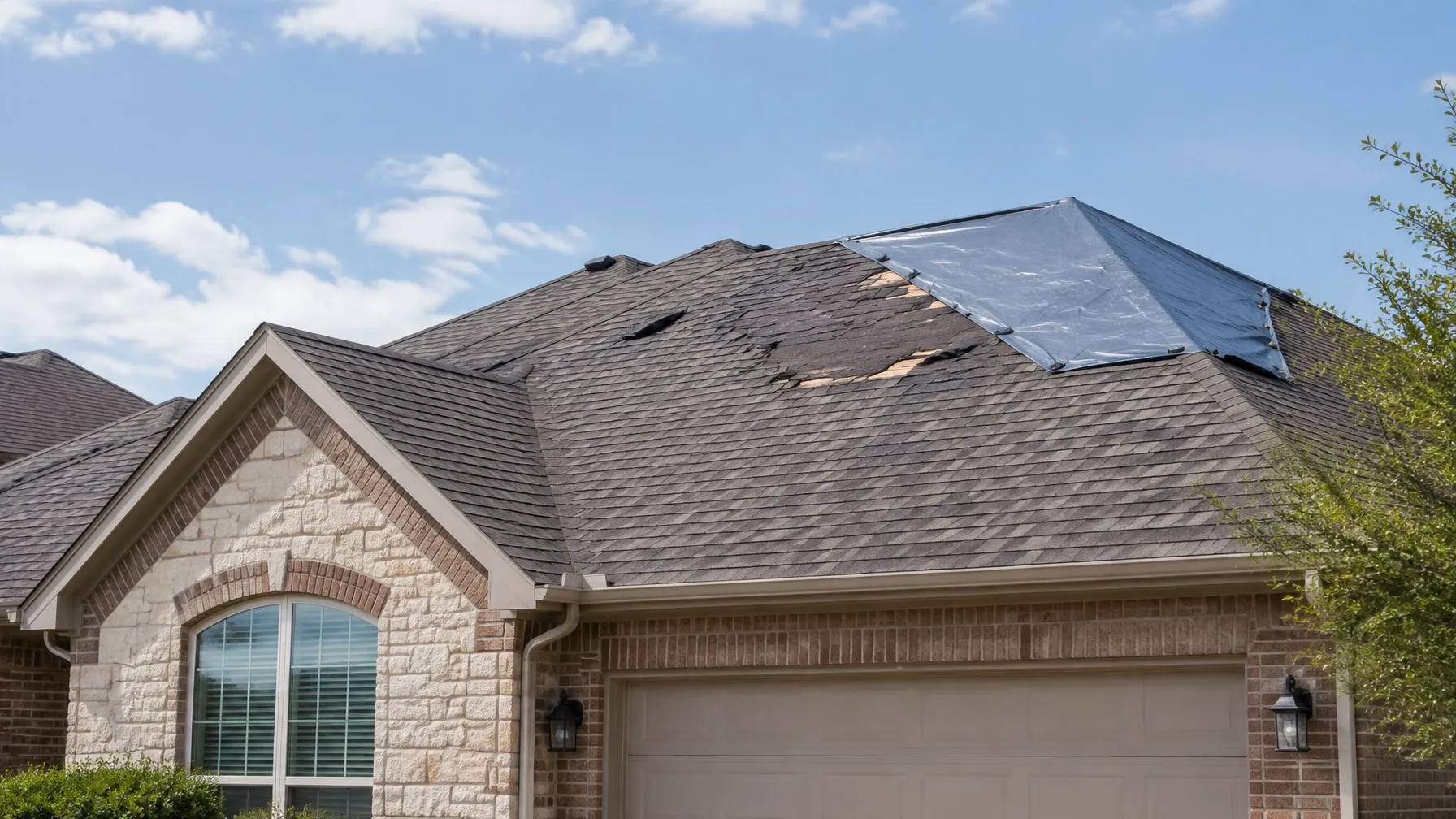
You see water entering during a storm but wait until the weather clears before containing it, documenting it, or calling for help.
Why it costs more later
You should not climb onto a wet roof, but you can take safe steps inside the home. Delaying basic containment allows water to spread through ceilings, walls, insulation, flooring, and personal belongings.
The right move
Stay off the roof and keep away from electrical hazards or sagging ceilings. Inside, place containers under active drips, move valuables, use towels to control minor splashing, and take photos or videos of the affected areas.
If water is entering rapidly, a section of the roof is open, or storm debris has created a safety issue, request emergency roof repair. RUOFF helps property owners move from immediate protection to a clear repair plan without rushing important decisions.
Mistake 5: Smearing DIY sealant or roofing tar on the wrong spot
What it looks like
You apply caulk, roofing cement, spray sealant, or tar around a suspected crack, shingle, pipe, or flashing detail. The roof looks covered, so the problem appears solved.
Why it costs more later
Roof leaks are not always directly above the ceiling stain. Water can travel along decking, rafters, underlayment, or flashing before it enters the home. Covering the wrong spot can hide the evidence an inspector needs to identify the actual entry point.
Improper materials can also trap moisture, interfere with future repairs, or damage roofing surfaces. A thick patch may make the roof harder, not easier, to evaluate.
The right move
Limit DIY action to safe interior containment and documentation. Avoid walking on the roof or applying permanent materials until the source has been professionally evaluated.
A qualified repair plan should explain what failed, where the water entered, what materials will be used, and how the surrounding area will be checked. That is the kind of transparency RUOFF brings to every inspection and estimate.
Mistake 6: Never checking the attic, insulation, or decking
What it looks like
You focus only on the ceiling stain or the visible roof surface. The attic, insulation, and roof decking never become part of the conversation.
Why it costs more later
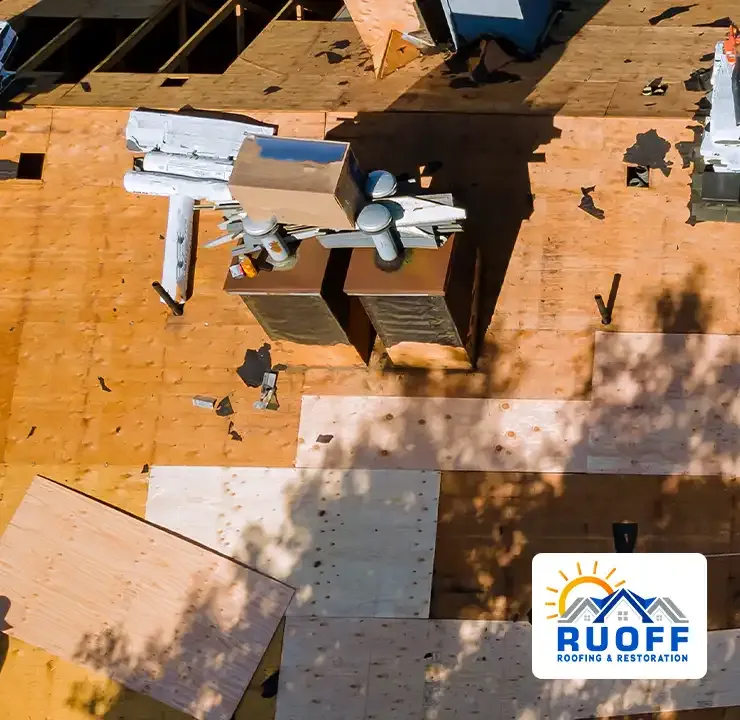
Moisture often travels farther than the first visible symptom. Insulation may remain damp, wood may darken or soften, and the decking may swell or lose strength. If those conditions are not identified, a surface-only repair may not last.
You do not need to crawl through a dark or unsafe attic yourself. But the inspection should account for what is happening beneath the shingles as well as what is visible from the ground.
The right move
Ask whether the inspection includes:
- The attic area above and around the stain
- Damp or compressed insulation
- Water trails along rafters and decking
- Soft, swollen, or deteriorated roof sheathing
- Flashing, valleys, vents, pipe boots, and roof transitions
- Gutters and downspouts near the affected area
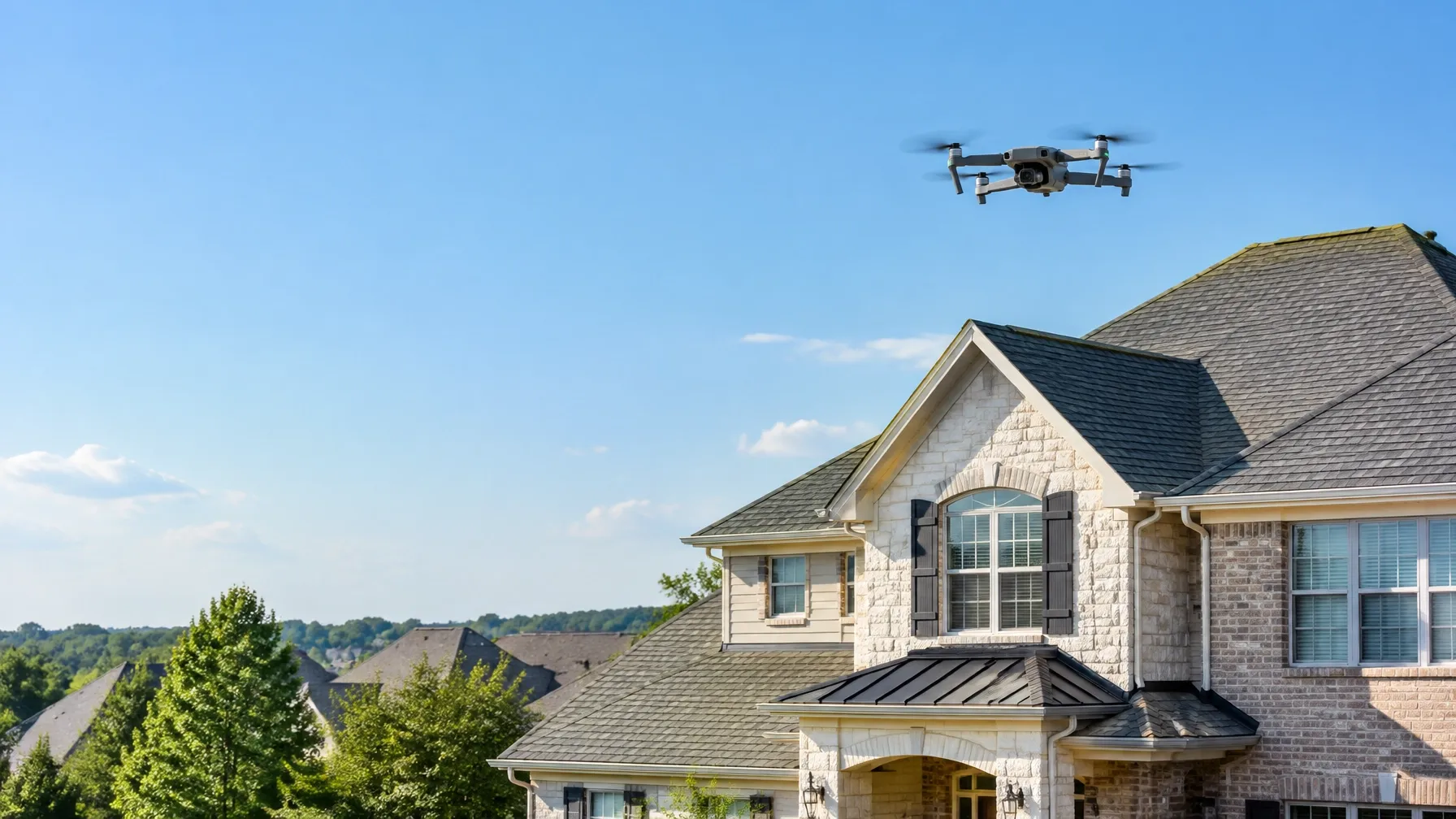
RUOFF uses modern inspection techniques and tools, including professional drone inspections when appropriate, to assess hard-to-reach areas safely and document what we find.
Mistake 7: Assuming every leak needs a full replacement, or that every leak needs only a cheap patch
What it looks like
Some homeowners hear “leak” and immediately assume the entire roof must be replaced. Others expect a five-dollar flashing fix to solve everything, even when the decking underneath is soft or damaged.
Why it costs more later
Both assumptions can lead to poor decisions. Replacing a roof that only needs a focused repair wastes money. But repeatedly patching a failing area can also waste money if the roof structure, decking, or surrounding materials have already deteriorated.
A small flashing failure may be a smart repair when the shingles and decking are sound. The same flashing failure may require a broader repair when water has damaged the sheathing or when the surrounding roof system is near the end of its useful life.
The right move
Choose the solution based on evidence. A professional should explain whether the issue is:
- A targeted repair: A localized failure with sound surrounding materials
- A larger repair: Multiple connected problems or damaged decking in one area
- A replacement candidate: Widespread deterioration, recurring failures, or a roof system that can no longer be repaired cost-effectively
A clear inspection protects you from both unnecessary replacement and repeated short-term patches. RUOFF provides transparent pricing with no hidden costs, so you can understand the scope before work begins.
When is a targeted roof repair the smart call?
A targeted repair is often the right choice when the leak has a clear source, the surrounding shingles and flashing are in good condition, the decking is sound, and the damage is limited.
It may be throwing money away when the same area has failed repeatedly, the roof has widespread wear, the decking is soft, or multiple roof components are allowing water inside. In those cases, a larger solution may provide better long-term value.
The answer should come from a careful inspection, not pressure, guesswork, or a one-size-fits-all recommendation.
What RUOFF’s free roof inspection covers
When you schedule a free inspection with RUOFF Roofing & Restoration, our team works to clarify the situation from start to finish. Depending on the property and conditions, we review the roof surface, shingles, flashing, valleys, penetrations, gutters, drainage, attic clues, and visible decking concerns.
We may also use drone technology to document steep, tall, or difficult-to-access roof areas without unnecessary foot traffic. You receive a clear explanation of what we found, what needs attention now, and which options make sense for your specific property.
With 25+ years of industry experience, top-quality materials, fast response times, and family-owned service, RUOFF helps homeowners and property owners across North Texas make confident decisions. We serve residential, commercial, and multi-family properties, along with hail damage restoration, solar installation, remodeling, and reconstruction.
Stop the leak before it becomes a larger project
Do not paint over the stain, guess at the source, or wait for the next storm to confirm the problem. Schedule your free roof inspection today and get a practical answer from a team that treats your property with care.
Call 972-430-3948, email seth@ruoffroofing.com, or visit www.ruoffroofing.com to get started.
Follow RUOFF Roofing & Restoration on Facebook and Instagram for company updates and roofing resources.